
 ES

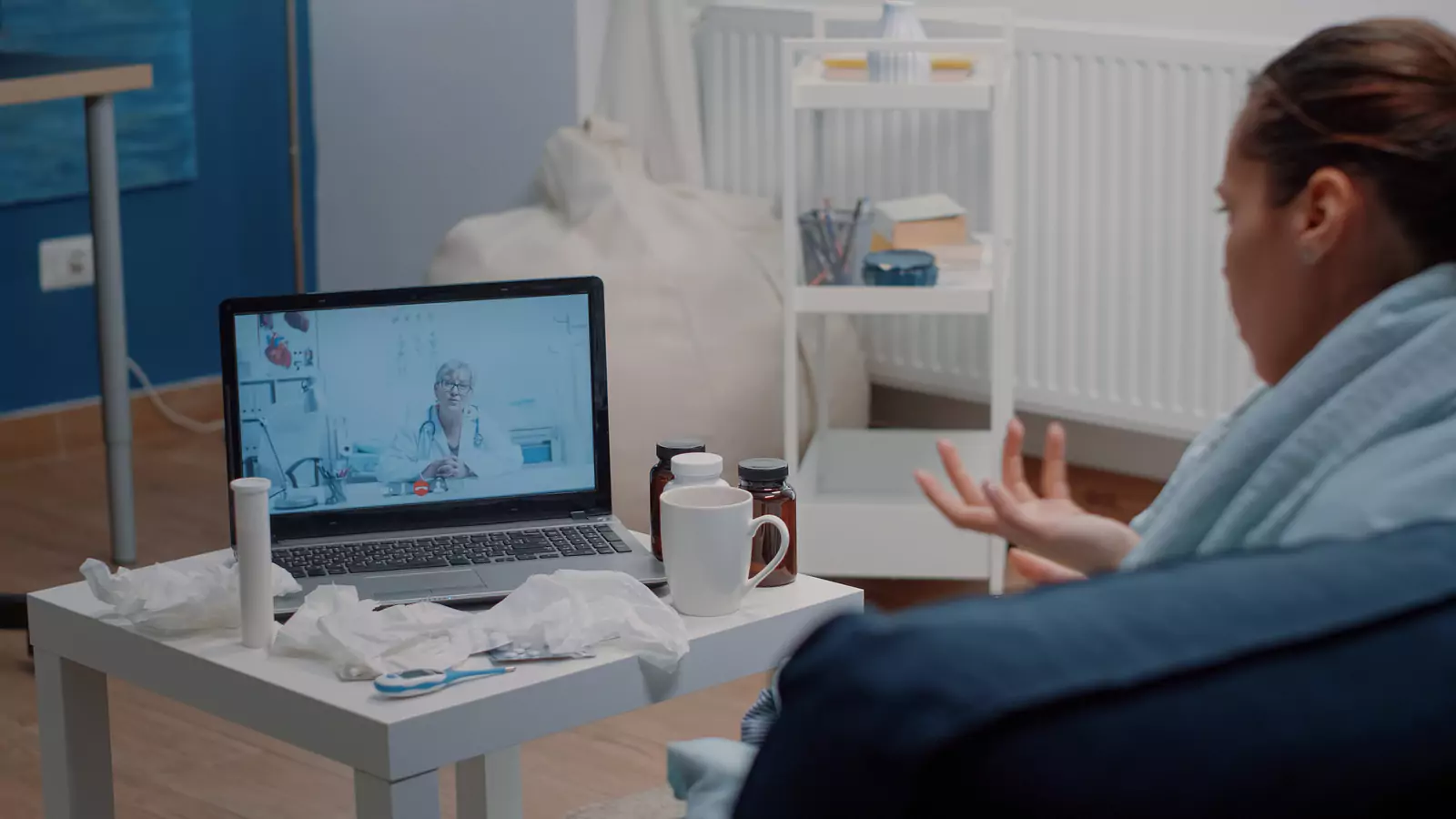







Turn Curative Telehealth Into a Clear Handoff
End the video visit with records, ownership, timing, and a practical next care setting.
Judge the Visit by the Next Step
A video appointment may complete an episode, begin treatment, or identify the need for hands-on care.
Its value should not be measured by whether the patient receives a prescription. It should be measured by whether the patient understands what was assessed, what remains uncertain, what should happen next, and who owns every pending task.
VirtualCare2go states that it accepts Curative. Coverage and patient costs depend on the member’s plan, eligibility, requested service, provider participation, and follow-up setting.
Verify the exact encounter rather than treating general acceptance as a guarantee.
Begin With the Decision the Patient Needs
Tell the clinician the main question the appointment should answer.
Examples include:
- Can this symptom be monitored at home?
- Does this medicine concern need an earlier evaluation?
- Is testing necessary?
- Is a visible change appropriate for video?
- Does the patient need urgent in-person care?
- Can the current plan continue until the next appointment?
Provide a concise symptom timeline, medication list, allergies, home readings, and recent-care history.
A focused question helps the clinician decide what can be completed through video and what requires another setting.
Verify Curative Before the Visit
Contact Curative or use current member tools to confirm:
- Active eligibility
- VirtualCare2go participation
- Telehealth benefits
- Referral requirements
- Prior authorization
- Copay, deductible, or coinsurance
- Participating laboratories
- Pharmacy benefit rules
- In-person follow-up benefits
- Whether the patient’s location matters
Save the date, representative’s name, and reference number.
The VirtualCare2go Curative page confirms the brand relationship. The member’s current plan documents and Curative determine patient-specific coverage.
Build the Handoff in Five Parts
Before the call ends, create a five-part handoff.
1. Working assessment
Ask what the clinician believes is most likely and what remains possible. A working assessment is not always a final diagnosis.
2. Immediate plan
Write down what the patient should do today. Include medicine instructions, hydration, activity, monitoring, or another care setting when relevant.
3. Pending work
List tests, referrals, records, prescriptions, or follow-up appointments that are not yet complete.
4. Warning signs
Identify the changes that require a call, same-day evaluation, or emergency care.
5. Ownership
Put a name or organization beside every task and add an expected date.
Repeat the plan in your own words while still connected. Ask the clinician to correct any misunderstanding.
Route Prescriptions Precisely
Confirm the pharmacy, allergies, current medicines, and prior reactions.
A prescription is not guaranteed. When a medicine is clinically appropriate, ask:
- What is it intended to do?
- When should it be started?
- How should it be taken?
- What side effects matter?
- What interactions were considered?
- What should happen if it is unavailable?
- When should improvement occur?
- Who should be contacted if symptoms worsen?
Curative’s pharmacy benefit may have separate formulary, quantity, or authorization rules.
If the pharmacy cannot fill the medicine or the price is unaffordable, contact the prescribing team. Do not substitute, split, stretch, or change doses without guidance.
Route Tests to a Result Owner
If testing is recommended, ask:
- What question will the test answer?
- Where should it be performed?
- Does Curative require a participating laboratory or facility?
- Who places the order?
- Who receives the result?
- When should it be available?
- How will it be interpreted?
- What should the patient do if no result appears?
A result visible in a portal is not automatically a completed follow-up. Someone must interpret it in the context of the patient’s symptoms and plan.
Do not assume silence means a normal result.
Route In-Person Care With a Time Frame
A recommendation for in-person care should include urgency.
Ask whether the patient needs:
- Routine follow-up
- An appointment within several days
- Same-day evaluation
- Immediate emergency care
Identify the type of facility and what information should travel with the patient.
Call 911 for severe breathing difficulty, chest pressure, signs of stroke, uncontrolled bleeding, a seizure, loss of consciousness, severe allergic symptoms, or another potential emergency.
Do not let insurance questions delay emergency care.
Send the Summary to Ongoing Care
When appropriate, provide the telehealth summary to the patient’s primary-care clinician or specialist.
Update:
- Medication list
- Allergy list
- Recent diagnoses
- Pending tests
- Follow-up dates
- Referrals
- New warning signs
- Changes in home monitoring
A virtual urgent-care episode should not remain isolated from ongoing care.
If two clinicians are involved in the same medicine or condition, clarify who owns the next decision.
Keep Records That Tell the Same Story
Save:
- Appointment confirmation
- Benefit-verification notes
- Visit summary
- Prescription information
- Test orders
- Referral instructions
- Explanation of benefits
- Bill
- Payment receipt
Confirm that the records describe the same patient, date, provider, and service.
An explanation of benefits is not a bill. If something appears incorrect, identify whether the issue involves patient information, provider participation, authorization, coding, deductible application, or payment posting.
Contact VirtualCare2go for factual visit or billing information and Curative for benefit processing.
Verify Curative Again After the Visit
The care that actually occurred may differ from what was expected during scheduling.
If the clinician recommends another service, verify:
- New care setting
- Participating facility
- Laboratory
- Specialist
- Prescription
- Authorization
- Patient cost
Keep clinical follow-up moving while financial questions are addressed.
Insurance processing should not cause the patient to ignore a result, medication reaction, or worsening symptom.
Finish With One Owner per Task
Use the How It Works page, Curative page, and online urgent-care page to prepare.
Before disconnecting, assign an owner and expected date to every prescription, test, referral, record transfer, recheck, and in-person recommendation.
A clear handoff turns the video appointment into a connected care episode.
Disclaimer: This article is educational and is not a diagnosis, insurance-coverage guarantee, or substitute for professional medical care. Telehealth suitability, prescribing, testing, and follow-up depend on individual assessment and applicable requirements. Call 911 or go to the nearest emergency department for severe or life-threatening symptoms.