
 ES
ES









Why Won’t This Wart Go Away?
Understanding Persistent Warts and Skin Changes
At first, it was just a tiny bump.
You figured it would disappear eventually.
A few weeks passed.
Then a few months.
And somehow, that little bump is still there.
Maybe you've tried covering it.
Maybe you've bought something from the pharmacy.
Maybe you've Googled enough home remedies to become deeply suspicious of your kitchen pantry.
But the wart hasn't gotten the message.
So now you're wondering:
Why won't this thing just go away?
Warts can be surprisingly persistent.
Some eventually disappear without treatment as the immune system responds to the virus that causes them. Others may remain for months or even longer.
And while many warts are harmless, it's important to remember that not every bump or skin growth is actually a wart.
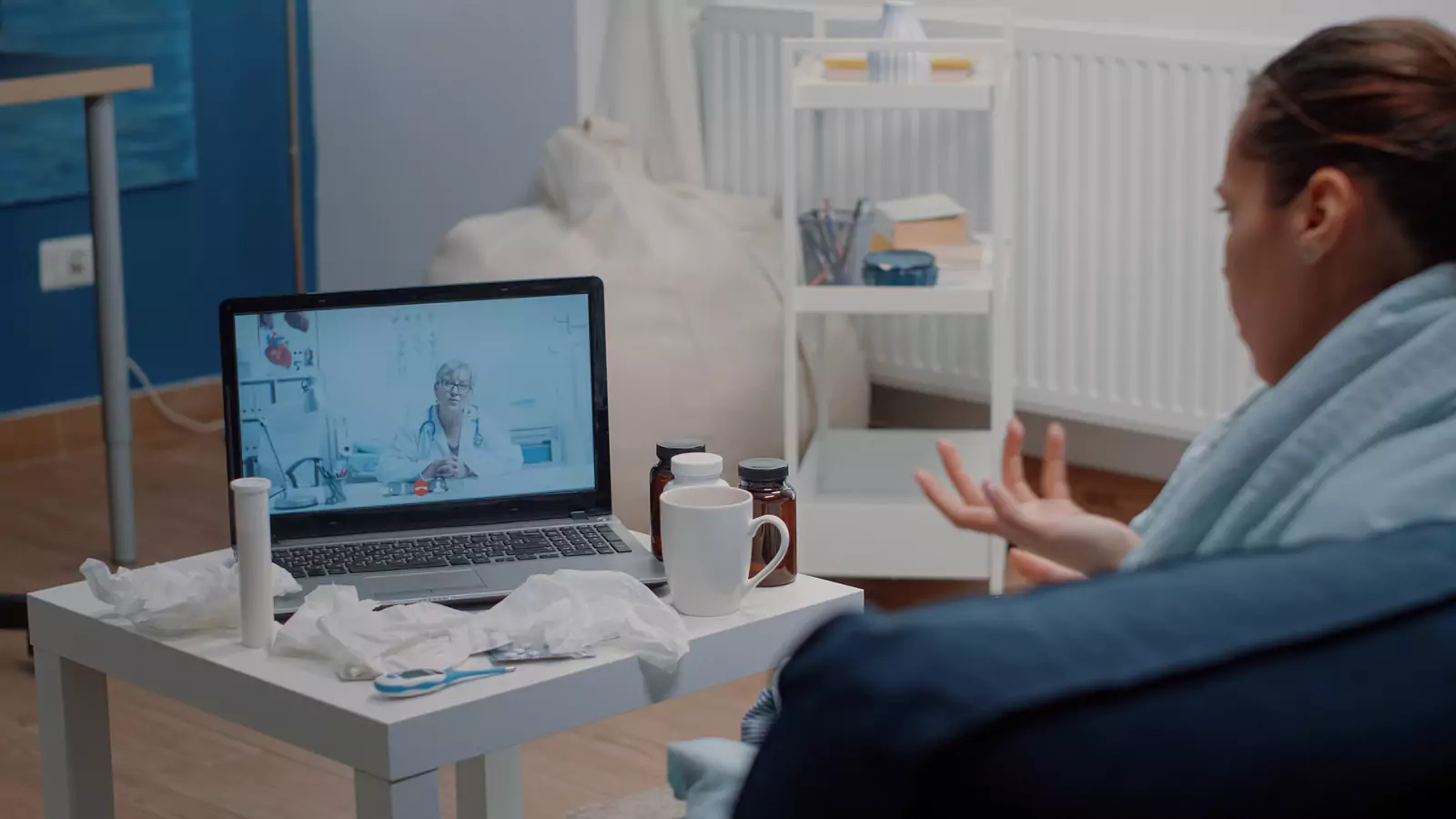
VirtualCare2Go specifically includes warts among the conditions it treats. For appropriate non-emergency concerns, a licensed provider can review your symptoms and clear photographs, discuss treatment options, and help determine whether an in-person examination may be necessary.
What Exactly Is a Wart?
Common warts are skin growths caused by certain types of human papillomavirus (HPV).
There are many different types of HPV.
The types that commonly cause ordinary skin warts are different from the HPV types most often discussed in relation to sexually transmitted infections and certain cancers.
Warts may appear on different parts of the body and can vary considerably in appearance.
What Does a Wart Look Like?
A common wart may look like a:
- Small raised bump
- Rough growth
- Grainy or uneven patch
- Flesh-colored growth
- Grayish or brownish bump
Some may contain tiny dark dots.
Those dots aren't “wart seeds.”
They're often small blood vessels within the growth.
Are All Warts Rough?
No.
Different types of warts can look different.
Some are:
- Rough
- Flat
- Smooth
- Raised
- Clustered
Location also affects appearance.
That's one reason it isn't always wise to diagnose a skin growth based on one photograph you found online.
Where Do Common Warts Appear?
Warts can develop in many locations.
Common sites include:
- Fingers
- Hands
- Around the nails
- Knees
- Feet
- Other areas of skin
The appearance and treatment considerations may differ depending on where the growth is located.
Why Do Warts Last So Long?
Warts are caused by a viral infection involving the skin.
Your immune system may eventually recognize and clear the infection, but that process isn't always quick.
A wart may persist for:
- Weeks
- Months
- Sometimes longer
The fact that it hasn't disappeared after a couple of weeks doesn't necessarily mean something dangerous is happening.
But persistent growths should be correctly identified before repeatedly treating them at home.
Will a Wart Eventually Go Away by Itself?
Some do.
Your immune system may eventually clear the wart without treatment.
However, there's no guaranteed timeline.
Other warts may:
- Remain unchanged
- Grow
- Develop nearby
- Become irritated
- Become uncomfortable because of their location
Treatment may be considered depending on symptoms, location, duration, and patient preference.
Why Did I Suddenly Get a Wart?
The viruses that cause warts can enter through small breaks in the skin.
These breaks may be so tiny that you never notice them.
Exposure doesn't necessarily result in an immediate visible wart.
That means it may be difficult to determine exactly when or where you picked up the virus.
Are Warts Contagious?
Yes, warts can spread.
The virus may be transmitted through direct contact or, in some circumstances, contaminated surfaces.
However, exposure doesn't guarantee that another person will develop a wart.
Individual immune responses differ.
Can I Spread My Own Wart?
Potentially.
Touching or picking at a wart and then touching damaged skin elsewhere may contribute to spread.
You may notice additional warts developing near the original area.
Try to avoid repeatedly:
- Picking
- Scratching
- Cutting
- Shaving directly over
a wart.
Can Warts Spread Through Towels?
Because warts are caused by a virus, avoiding shared personal items that directly contact affected skin can be reasonable.
This may include:
- Towels
- Razors
- Nail tools
Good hand hygiene is also helpful, especially after applying wart treatments.
Should I Cover My Wart?
Sometimes covering a wart may help protect it from:
- Picking
- Friction
- Direct contact
If you're using a treatment, follow the product or healthcare provider's instructions about whether and how the area should be covered.
Don't tightly wrap a finger or toe in a way that affects circulation.
Should I Pick a Wart Off?
No.
A wart isn't a loose sticker.
Picking at it may cause:
- Bleeding
- Pain
- Skin damage
- Infection
- Viral spread to nearby skin
Even if part of the growth comes off, the wart may remain.
Can I Cut My Wart Off?
Don't perform DIY surgery on yourself.
Cutting a wart with:
- Scissors
- Nail clippers
- Razors
- Knives
can cause bleeding, infection, scarring, and injury.
It also doesn't guarantee that the entire wart has been removed.
If a growth needs a procedure, let a trained healthcare professional determine the safest approach.
What If I Accidentally Cut It While Shaving?
Clean the area appropriately and monitor it.
Watch for:
- Persistent bleeding
- Increasing redness
- Warmth
- Swelling
- Drainage
- Increasing pain
Try to avoid repeatedly shaving directly over the growth.
If you're unsure whether the lesion is actually a wart, consider having it evaluated.
Why Does My Wart Bleed?
Warts contain small blood vessels and may bleed if they are:
- Picked
- Scratched
- Cut
- Shaved
- Repeatedly rubbed
However, a skin growth that bleeds repeatedly without being injured should be evaluated.
Don't automatically assume recurring unexplained bleeding is normal because you think the growth is a wart.
Can a Wart Hurt?
Some warts are painless.
Others may become uncomfortable because of:
- Pressure
- Friction
- Location
- Cracking
- Irritation
A wart on the bottom of the foot, for example, may hurt when walking because body weight places pressure on it.
Significant or worsening pain deserves evaluation.
Why Does My Wart Hurt When I Walk?
A wart on the sole of the foot is called a plantar wart.
Because it develops on a weight-bearing surface, pressure may push the growth inward and cause discomfort.
People sometimes mistake plantar warts for:
- Corns
- Calluses
- Other foot lesions
If you're not sure what you're dealing with, avoid repeatedly treating it without confirmation.
What Is a Plantar Wart?
A plantar wart develops on the bottom of the foot.
It may appear as a rough area surrounded by thicker skin.
Some have tiny dark dots.
Walking or standing may make them uncomfortable.
Persistent painful foot lesions may require an in-person examination, especially for patients with diabetes, poor circulation, neuropathy, or other foot-health risks.
Is It a Wart or a Callus?
This can be difficult to determine at home.
A callus usually develops because of repeated friction or pressure.
A plantar wart is caused by a virus.
The two can sometimes look similar.
Their skin-line patterns and other features may differ, but don't start cutting or aggressively scraping the area to figure it out.
A healthcare professional can help.
What Are Flat Warts?
Flat warts tend to be smaller and smoother than the classic rough wart people often picture.
They may appear in groups.
Because they can resemble other skin bumps, clear photographs and clinical evaluation can be helpful.
What Are Warts Around the Nails?
Warts can occur around fingernails or toenails.
These are sometimes called periungual warts.
They can be particularly frustrating because the location may interfere with:
- Nail growth
- Nail care
- Everyday activities
Avoid biting or picking around affected nails, which can damage surrounding skin.
Can Nail Biting Spread Warts?
Potentially.
Biting nails or skin around the fingers creates small breaks in the skin and involves frequent hand-to-mouth contact.
If you have warts around your fingers, try to avoid:
- Nail biting
- Cuticle picking
- Biting the wart itself
These habits may damage the skin and make management more difficult.
Can Kids Get Warts?
Yes.
Warts are common in children.
Most are not dangerous.
However, treatment choices may depend on:
- The child's age
- Wart location
- Number of warts
- Symptoms
- Whether the diagnosis is certain
Parents should avoid aggressive home procedures that can injure a child's skin.
Why Did More Warts Appear?
Because the virus can affect nearby skin, some people develop multiple warts.
They may appear:
- Near the original wart
- On another finger
- On another part of the body
Picking or shaving over affected skin may potentially contribute to spread.
Multiple new growths are worth discussing with a healthcare provider, especially if you're uncertain they are actually warts.
Can Warts Come Back After Treatment?
Yes.
A wart may sometimes return after treatment.
This can happen if affected tissue remains or because the virus persists in surrounding skin.
Recurrence doesn't necessarily mean the treatment was performed incorrectly.
Some warts simply require patience or repeated treatment.
Why Didn't My Wart Medicine Work?
Several possibilities exist.
The growth may:
- Need more treatment time
- Require a different approach
- Be in a difficult location
- Be particularly thick
- Not actually be a wart
This last possibility is important.
If you've repeatedly treated something as a wart without improvement, consider having the diagnosis reassessed.
What Is Salicylic Acid?
Salicylic acid is an ingredient found in many over-the-counter wart treatments.
It gradually helps remove layers of affected skin.
Treatment often requires consistency over time rather than one application.
However, these products aren't appropriate for every person, every location, or every skin lesion.
Follow product directions carefully and ask a healthcare professional if you're unsure whether it is appropriate for you.
Can I Put Wart Remover on My Face?
Don't assume an OTC wart-removal product designed for hands or feet is safe for your face.
The facial skin is different and more sensitive.
Products containing strong acids can cause:
- Burns
- Irritation
- Scarring
- Pigment changes
A facial growth should be properly identified before treatment.
Can I Use Wart Remover Near My Eye?
No.
Do not use ordinary wart-removal chemicals around the eyes.
Skin lesions near the eye require appropriate medical evaluation because treatment in this area must be handled carefully.
Can I Use Wart Medicine on Genital Warts?
Do not use ordinary OTC wart-removal products intended for hands or feet on genital tissue.
Genital lesions require appropriate medical evaluation and specific treatment.
If you have a new genital growth, don't assume it is an ordinary skin wart.
What About Freezing a Wart?
Cryotherapy involves freezing the wart.
Healthcare professionals may use liquid nitrogen to treat certain warts.
There are also OTC freezing products, although they are not identical to professional cryotherapy.
Treatment choice depends on factors such as:
- Location
- Size
- Type
- Patient age
- Medical history
Some warts may require repeated treatment.
Should I Freeze It at Home?
If using an OTC product, follow its directions exactly and make sure the product is intended for the location being treated.
Do not improvise with substances or equipment that aren't designed for skin treatment.
And don't freeze a growth if you aren't confident it's actually a wart.
Can I Burn a Wart Off?
No DIY burning.
Trying to burn a wart with:
- Heated objects
- Chemicals
- Household products
can cause serious skin injury.
The resulting burn may be much more difficult to treat than the original wart.
What About Apple Cider Vinegar?
You'll find plenty of internet claims about apple cider vinegar and warts.
But acidic substances can irritate or burn skin, especially when repeatedly applied or covered for long periods.
“Natural” does not automatically mean harmless.
If you want to treat a wart, use evidence-based options recommended for your situation.
What About Garlic?
Garlic belongs in dinner, not necessarily taped to your skin overnight.
Home remedies may cause:
- Irritation
- Burns
- Allergic reactions
without reliably treating the wart.
Be cautious about social-media remedies that involve deliberately damaging skin.
Does Duct Tape Remove Warts?
Duct tape has been studied as a possible wart treatment, but evidence has been inconsistent.
If you have a persistent wart, don't assume tape is guaranteed to solve the problem.
A healthcare professional can discuss established treatment options.
Should I File Down My Wart?
Some treatment plans may involve carefully reducing thick dead skin, particularly with plantar warts.
However, aggressive filing can cause:
- Bleeding
- Skin injury
- Infection
And tools used on a wart shouldn't then be used on healthy skin.
Ask a healthcare professional for guidance before incorporating filing into treatment.
Can I Get a Pedicure With a Plantar Wart?
If you have a suspected plantar wart, avoid having the area aggressively cut, shaved, or filed during a pedicure.
Tell the nail professional about the lesion.
You should also avoid sharing personal foot-care tools.
If the lesion is painful or uncertain, consider having it medically evaluated first.
Can I Go Swimming With a Wart?
Having a wart doesn't necessarily mean you can never enter a pool.
However, communal wet environments can be associated with exposure to the viruses that cause plantar warts.
Wear appropriate footwear in areas such as:
- Locker rooms
- Communal showers
- Pool decks
and avoid picking at the wart.
Can I Prevent Warts?
There's no perfect prevention strategy.
But you can reduce opportunities for spread by:
- Avoiding picking at existing warts
- Not sharing razors or nail tools
- Wearing footwear in communal wet areas
- Protecting cuts and damaged skin
- Washing your hands after treating a wart
These habits don't guarantee you'll never develop one.
Is a Wart the Same Thing as a Skin Tag?
No.
Skin tags and warts are different types of skin growths.
Skin tags are typically soft growths that often develop in areas where skin rubs.
Warts are caused by HPV.
Because skin growths can sometimes resemble each other, avoid treating something with wart remover unless you're reasonably certain of what it is.
Is a Wart the Same as a Mole?
No.
Moles are also different from warts.
A changing pigmented lesion should not be treated as a wart.
Seek medical evaluation for a mole or growth that develops concerning changes such as:
- Significant asymmetry
- Irregular borders
- Multiple or changing colors
- Rapid enlargement
- Recurrent unexplained bleeding
- Other noticeable evolution
A clinician may recommend an in-person dermatology examination.
Could Skin Cancer Look Like a Wart?
Some skin cancers or precancerous lesions can sometimes resemble ordinary skin growths.
That doesn't mean every stubborn wart is cancer.
But it does mean you shouldn't repeatedly destroy an uncertain lesion at home without knowing what it is.
If a growth looks unusual or keeps changing, have it evaluated.
What Skin Changes Should I Photograph?
Photographs can be very helpful.
Take clear pictures showing:
- Overall location
- Close-up appearance
- Size
- Surrounding skin
Try using:
- Good lighting
- No filters
- Similar angles over time
A ruler beside the growth can help document size.
What Changes Should I Track?
Keep track of whether the growth:
- Gets larger
- Changes color
- Becomes painful
- Starts bleeding
- Develops drainage
- Changes shape
- Multiplies
- Responds to treatment
A photo taken once every few weeks may be more useful than checking it fifteen times a day.
When Can VirtualCare2Go Help?
Because warts are specifically included in VirtualCare2Go's treatment scope, telehealth can be a convenient starting point for many non-emergency wart concerns.
Consider scheduling a virtual visit if:
- You think you have a wart.
- A wart isn't going away.
- You've developed more than one.
- OTC treatment hasn't helped.
- You're unsure what treatment may be appropriate.
- The wart keeps getting irritated.
- You're unsure whether the growth is actually a wart.
- A previous wart has returned.
- You want to know whether in-person treatment may be necessary.
Clear photographs can be especially helpful during your appointment.
What Can a Virtual Provider Evaluate?
A licensed provider may ask:
- When the growth appeared
- Where it is located
- Whether it has changed
- Whether it hurts
- Whether it bleeds
- Whether there are multiple growths
- What treatments you've tried
- Whether you've had warts before
- Whether you have relevant medical conditions
The provider can then determine whether virtual management appears appropriate or whether the lesion needs hands-on evaluation.
When Might I Need In-Person Care?
An in-person examination may be recommended when:
- The diagnosis isn't clear.
- The growth is rapidly changing.
- It repeatedly bleeds.
- It is significantly painful.
- It looks unusual.
- A procedure is needed.
- Treatment repeatedly fails.
- The lesion is in a sensitive location.
- A biopsy or dermatology evaluation may be necessary.
Telehealth has limits when a skin lesion requires magnification, physical examination, or tissue testing.
What If I Have Diabetes?
If you have diabetes, neuropathy, poor circulation, or another condition that affects wound healing, be especially cautious about self-treating growths on the feet.
Do not cut, burn, or aggressively remove a suspected plantar wart yourself.
An in-person foot examination may be safer depending on your medical history.
What If My Immune System Is Weakened?
People with weakened immune systems may experience more persistent or extensive warts.
Treatment decisions may also be different.
Tell your healthcare provider about relevant:
- Medical conditions
- Medications
- Immune-suppressing treatments
before starting treatment.
When Should I Seek Prompt Medical Care?
Seek medical evaluation if a suspected wart:
- Bleeds repeatedly without being injured
- Changes rapidly
- Becomes significantly painful
- Develops increasing redness or swelling
- Produces pus or drainage
- Changes noticeably in color or shape
- Doesn't resemble your previous warts
- Is located near the eye
- Is a genital growth
- Continues despite repeated treatment
These symptoms don't automatically mean something serious is wrong, but the lesion may need a closer look.
When Is It an Emergency?
An ordinary wart is generally not an emergency.
Seek urgent or emergency care if a skin lesion is associated with:
- Uncontrolled bleeding
- Severe rapidly spreading infection
- Serious allergic reaction to a treatment
- Severe swelling affecting breathing
- Other potentially life-threatening symptoms
Routine telehealth should never delay emergency treatment.
Frequently Asked Questions
Why won't my wart go away?
Warts are caused by viruses and can be persistent. Some disappear as the immune system responds, while others may remain for months or longer.
Are warts contagious?
Yes. The viruses that cause warts can spread through skin contact and potentially contaminated surfaces.
Can I spread a wart to another part of my body?
Potentially. Picking, scratching, or shaving over a wart may contribute to spreading the virus to nearby damaged skin.
Should I cut my wart off?
No. Cutting a wart yourself can cause bleeding, infection, scarring, and injury.
Does wart remover work immediately?
No. Many treatments require repeated use over time, and not every wart responds to the same treatment.
Can I use wart remover on my face?
Do not use ordinary hand or foot wart-removal products on facial skin unless specifically instructed by a healthcare professional.
Can a wart come back?
Yes. Some warts recur after treatment.
How do I know whether it's actually a wart?
Appearance, location, symptoms, and clinical evaluation can help. Some calluses, skin tags, moles, and other growths can resemble warts.
Does VirtualCare2Go treat warts?
Yes. Warts are specifically included among the conditions VirtualCare2Go treats.
Can VirtualCare2Go remove a wart virtually?
A virtual provider cannot physically remove a wart through telehealth. However, a provider can evaluate appropriate cases, discuss treatment options, and determine whether an in-person procedure or dermatology evaluation may be needed.
Don't Declare War on Your Wart
A stubborn wart can be annoying.
But don't let frustration turn into:
Cutting it.
Burning it.
Picking it every night.
Applying every home remedy the internet can invent.
Start by making sure the growth actually appears consistent with a wart.
Then consider:
How long has it been there?
Has it changed?
Is it painful?
Does it bleed without being touched?
Are more appearing?
Have you already tried treatment?
Those details can help determine the appropriate next step.
VirtualCare2Go provides virtual care for warts, skin conditions, rashes, redness, eczema, psoriasis, skin infections, and many other common non-emergency concerns throughout Texas.
A licensed healthcare provider can review your symptoms and clear photographs and help determine whether treatment can begin virtually or whether an in-person skin examination may be necessary.
Patients must be physically located in Texas during their appointment.
Schedule Your Virtual Visit
If you have a persistent wart, aren't sure whether a growth is actually a wart, or haven't had success with your current treatment—and you aren't experiencing serious warning signs—consider scheduling a virtual evaluation with VirtualCare2Go.
Book your virtual visit today: